
Prepare humane traps
Inspect traps for smooth doors and clean surfaces. Line the bottom with newspaper and use a small amount of food as bait.
Practical guidance for volunteers & caregivers
Community Cats Education offers calm, compassionate guidance to keep cats safe, healthy, and respected in the neighborhoods we share.
Several agencies in the elk
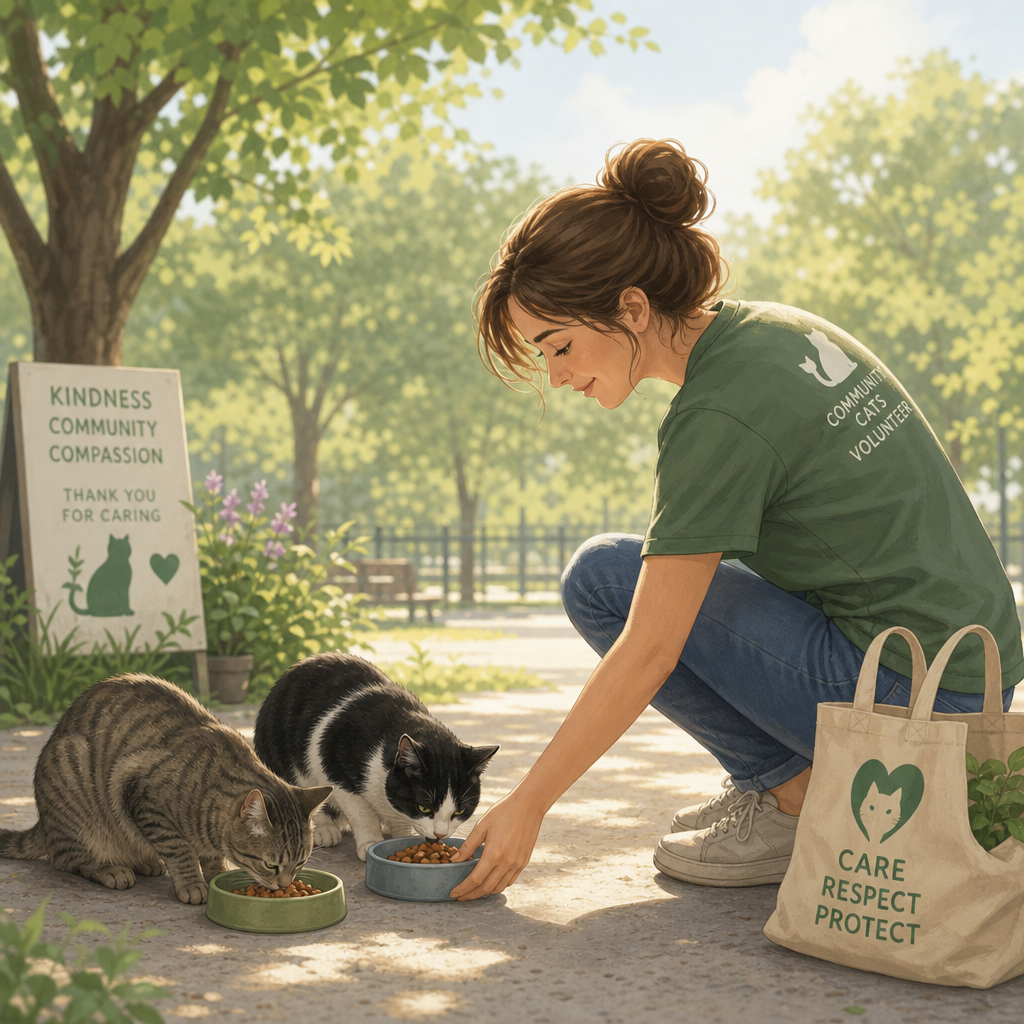
Feeding routines that support health and harmony.
Safe trapping guidance
Use these quick reminders to prepare humane traps, monitor safely, and support community cats with confidence.
Inspect traps for smooth doors and clean surfaces. Line the bottom with newspaper and use a small amount of food as bait.
Trap during quiet hours and never leave traps unattended. Check every 30 minutes to reduce stress and avoid risks.
Wear gloves, keep your distance, and cover the trap with a towel after capture to help the cat feel secure.
Move slowly, speak softly, and plan transport in advance. If you need help, reach out to experienced volunteers.
Feeding Best Practices
Consistent, respectful feeding is a cornerstone of responsible caregiving. These practices help cats thrive, reduce neighborhood concerns, and make it easier for volunteers to coordinate.
Feed at the same time each day to build trust and reduce roaming. A consistent routine also helps trappers plan humane interventions.
Use quiet spots away from heavy foot traffic. Clean up bowls and leftover food to avoid pests and keep the area welcoming for neighbors.
Use this list to coordinate with other volunteers and track everyday care.
Offer fresh water daily
Replace water and scrub bowls to prevent algae and bacteria.
Monitor cat health
Watch for limping, weight loss, or unusual behavior and report concerns to the care team.
Be considerate of neighbors
Keep feeding times tidy, avoid private property, and share updates with nearby residents.
Coordinate with caregivers
Log feeding times to avoid overfeeding and ensure everyone is informed.
Need help setting up a feeding plan? Visit the volunteer hub for schedule templates and neighborhood communication tips.
Explore feeding resourcesFrequently asked questions
We focus on safe, humane steps for volunteers and caregivers. If you need a deeper guide, explore our sections on safe trapping and feeding routines.
Quick reminder
Community cats are not socialized pets. Approach quietly, keep routines predictable, and prioritize their safety first.